What is the Most Suitable Wall Material for an Indoor Shooting Range?
Walls
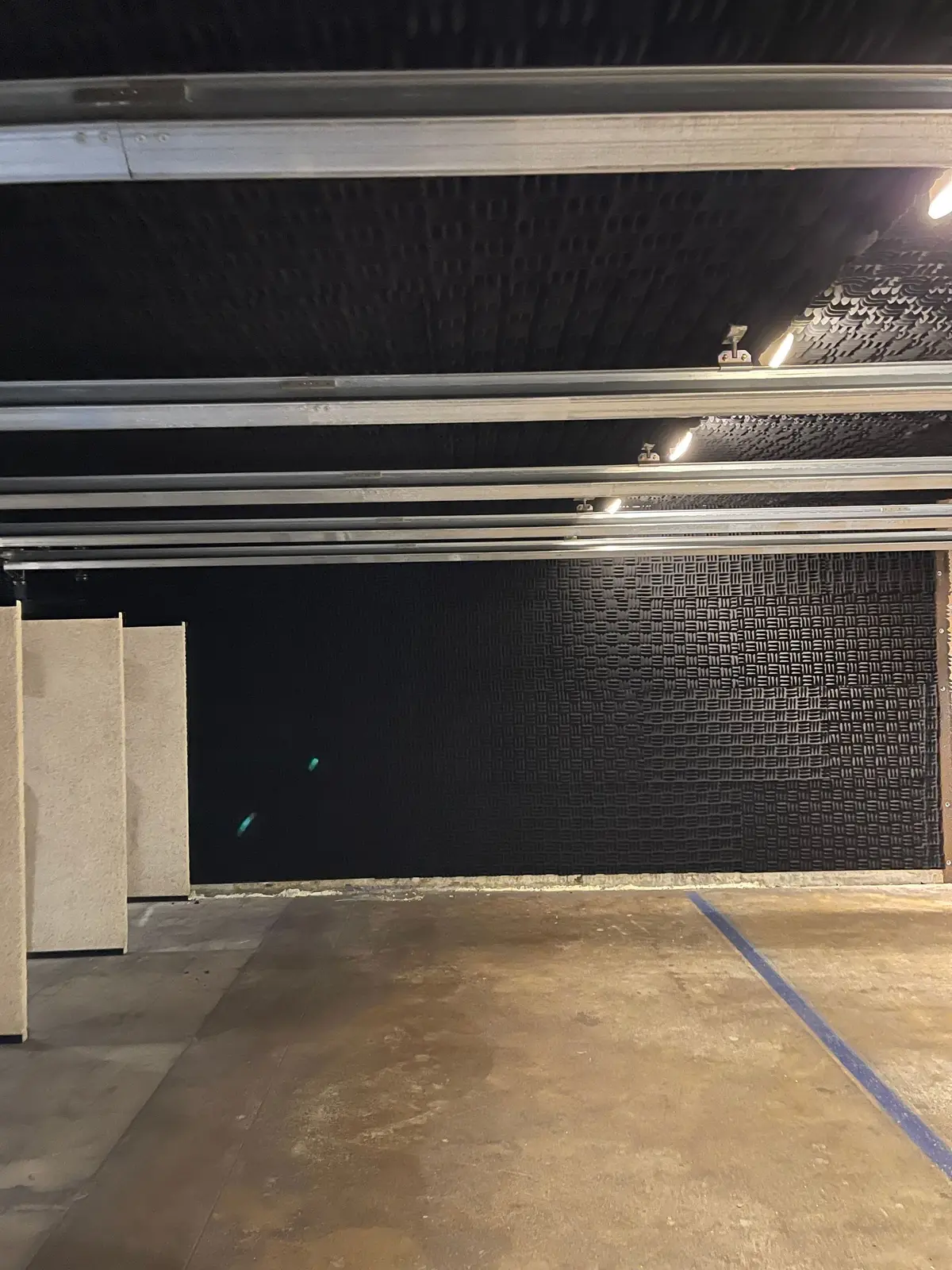
The walls of an indoor shooting range must be designed to contain the noise and prevent bullets from leaving the range. The most common materials used for shooting range walls are concrete blocks, poured concrete, and steel. Each of these materials has its own advantages and disadvantages.
Concrete blocks are a popular choice for indoor shooting range walls because they are relatively inexpensive and easy to install. They are also durable and fire-resistant, making them a safe choice for shooting ranges. However, they are not as effective at containing noise as other materials and may require additional soundproofing measures.
Poured concrete walls offer better noise reduction and are more durable than concrete blocks. They are also fire-resistant and provide excellent bullet containment. However, they are more expensive to install and may require more time to construct.
Steel walls are the most effective at containing noise and provide the highest level of bullet containment. They are also the most durable and require the least amount of maintenance. However, they are the most expensive option and may not be practical for all shooting ranges.
When designing shooting range walls, it is important to consider the thickness of the walls. The thicker the walls, the better they will be at containing noise and bullets. Walls should be at least 8 inches thick, and thicker walls may be necessary depending on the type of shooting range and the types of firearms that will be used.
Another important consideration when designing shooting range walls is the ventilation system. Shooting ranges produce a large amount of lead dust and other hazardous materials, which must be properly ventilated to ensure the safety of those using the range. Ventilation systems should be designed to provide a constant flow of fresh air while also removing lead dust and other contaminants from the air.
Floors
Indoor shooting ranges require floors that can withstand the impact of bullets while providing a safe and stable surface for shooters. Concrete and steel are the most commonly used materials for shooting range floors.
Concrete floors are a popular choice due to their durability, fire resistance, and good bullet containment. They are also relatively affordable and easy to install. However, they may not provide sufficient sound insulation and may require additional soundproofing measures.
Steel floors are the most durable and offer excellent bullet containment. They are also easy to maintain and clean. However, they are the most expensive option and may not be suitable for all shooting ranges.
When designing shooting range floors, it is crucial to consider the thickness of the floor. Thicker floors are better at containing bullets and providing a safer environment for shooters. Floors should be at least 4 inches thick, and thicker floors may be necessary depending on the types of firearms used and the shooting range's intended purpose.
The surface texture of shooting range floors is another important consideration. Floors should be smooth and free of cracks or other imperfections that could pose tripping or slipping hazards. They should also have a non-slip surface to provide a stable shooting platform for shooters.
Ceilings
The ceilings of indoor shooting ranges must be designed to contain noise and prevent bullets from leaving the range. The most common materials used for shooting range ceilings are concrete, steel, and acoustic tile.
Concrete ceilings are a popular choice for shooting ranges due to their durability, fire resistance, and good bullet containment. They are also relatively affordable and easy to install. However, they may not provide sufficient sound insulation and may require additional soundproofing measures.
Steel ceilings offer excellent bullet containment and are the most durable option. They are also easy to clean and maintain. However, they are the most expensive option and may not be practical for all shooting ranges.
Acoustic tile ceilings are a good choice for shooting ranges that require high levels of sound insulation. They are also relatively affordable and easy to install. However, they may not provide as much bullet containment as other materials and may require additional measures to prevent bullets from leaving the range.
Another important consideration when designing shooting range ceilings is the lighting system. Shooting ranges require bright, even lighting to provide a safe and accurate shooting environment. Lighting systems should be designed to prevent glare and shadows, which can interfere with shooting accuracy.
Factors You Need to Consider In Building An Indoor Shooting Range
In addition to these structural considerations, there are other factors that must be taken into account when designing and building an indoor shooting range. These include:Safety: Shooting ranges must be designed to provide a safe environment for shooters, instructors, and other staff members. Safety measures such as proper ventilation, bullet containment, and sound insulation are essential to prevent accidents and injuries.
Accessibility: Shooting ranges must be accessible to individuals with disabilities, including wheelchair users. Accessible shooting lanes and restrooms, as well as appropriate signage and lighting, are essential to ensure that everyone can safely and comfortably use the range.
Equipment: Shooting ranges require a variety of specialized equipment, including target systems, bullet traps, and ventilation systems. These systems must be carefully selected and installed to ensure optimal performance and safety.
Maintenance: Shooting ranges require regular maintenance to ensure that they continue to function properly and provide a safe environment for shooters. Regular inspections, cleaning, and repairs are essential to prevent accidents and ensure the longevity of the facility.
In conclusion, designing and building an indoor shooting range requires careful consideration of a variety of structural and non-structural factors. Walls, floors, and ceilings must be designed to provide optimal bullet containment, sound insulation, and safety, while also taking into account factors such as accessibility, equipment, and maintenance. By carefully considering these factors, shooting range designers and builders can create safe and functional facilities that meet the needs of both recreational and professional shooters.